Family owned and operated for over 30 years

Harriet's Hoarding Services

Hoarding and Clutter Removal Experts

Call Now! Gallery

We work in partnership with trusted local professional Jere Tetrault owner of Smart Cleaners to ensure every project is handled with care, efficiency and expertise.


Jere provides on-site assessments, detailed quotes and oversees project execution to deliver a smooth and professional experience from start to finish.

Request a Free Estimate


Fill in the form below and we will follow up with next steps.

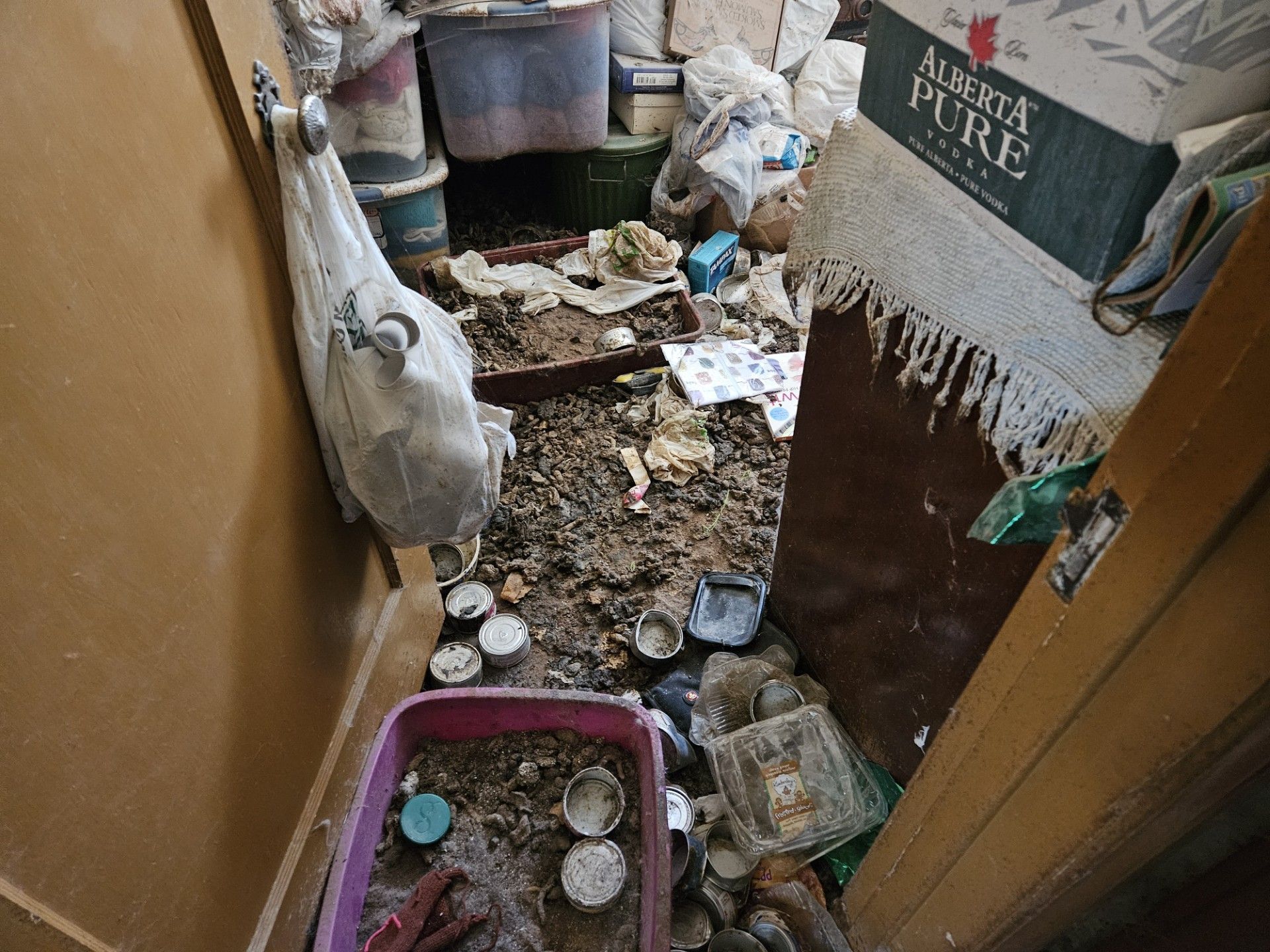
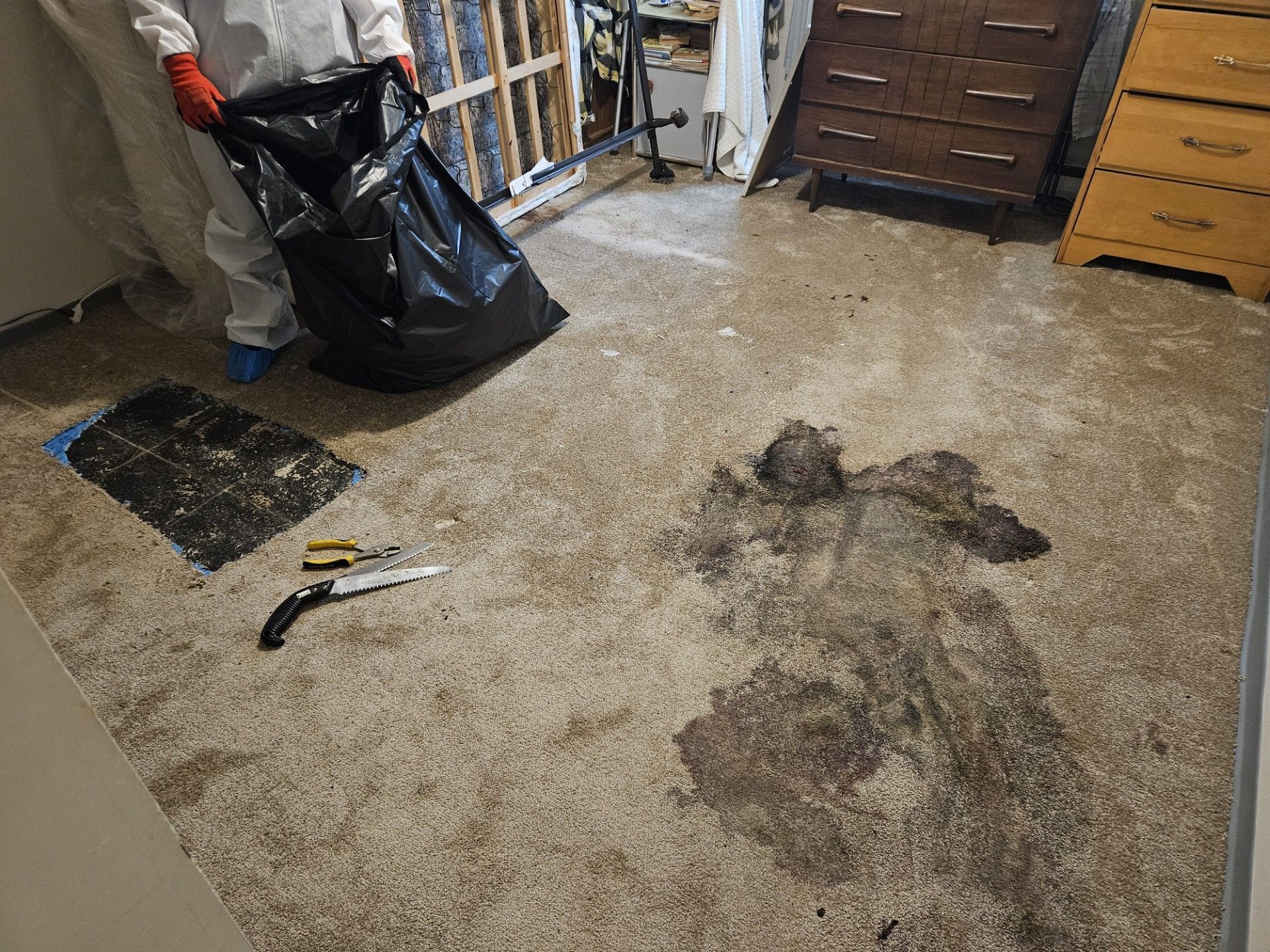
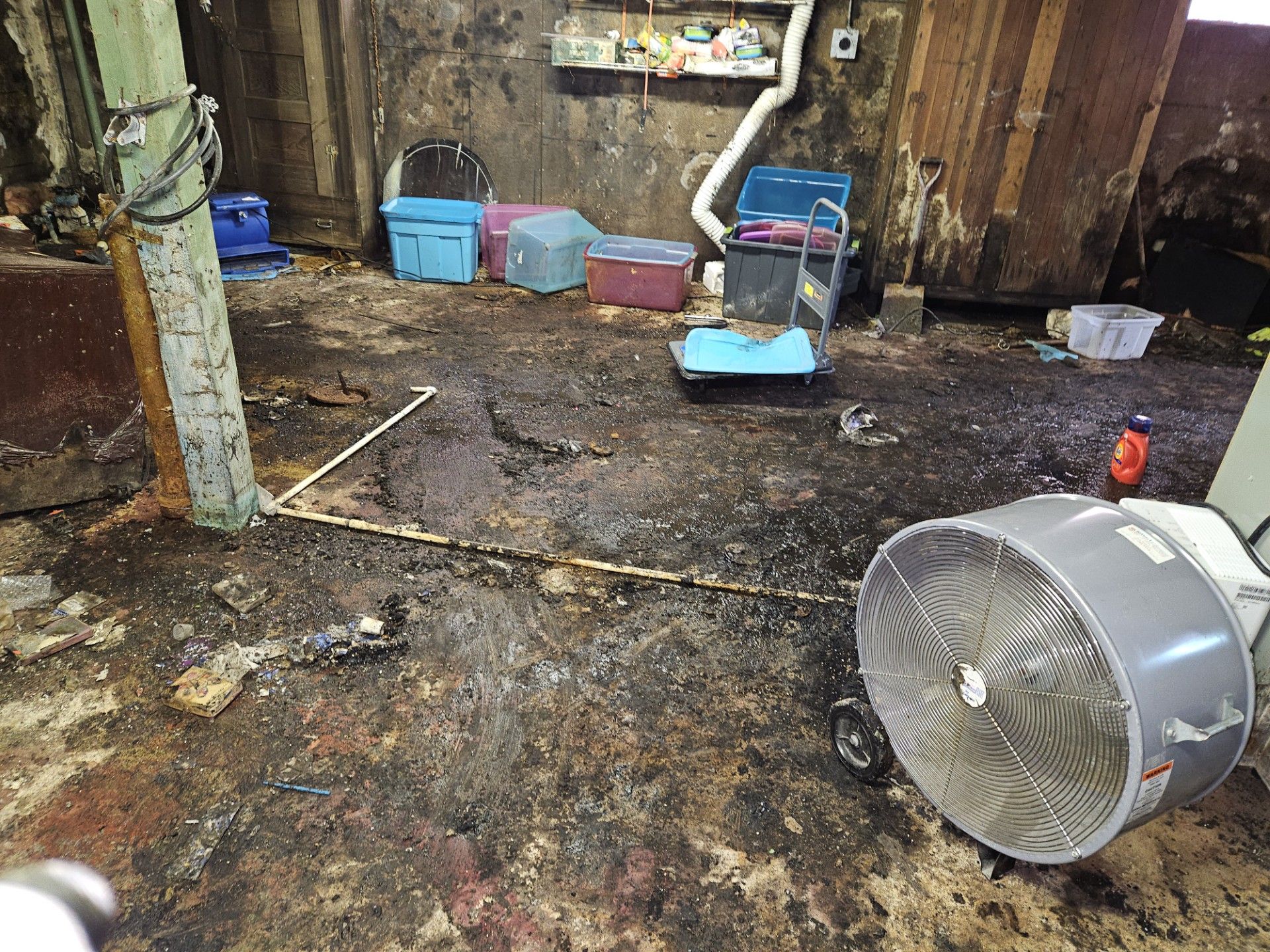
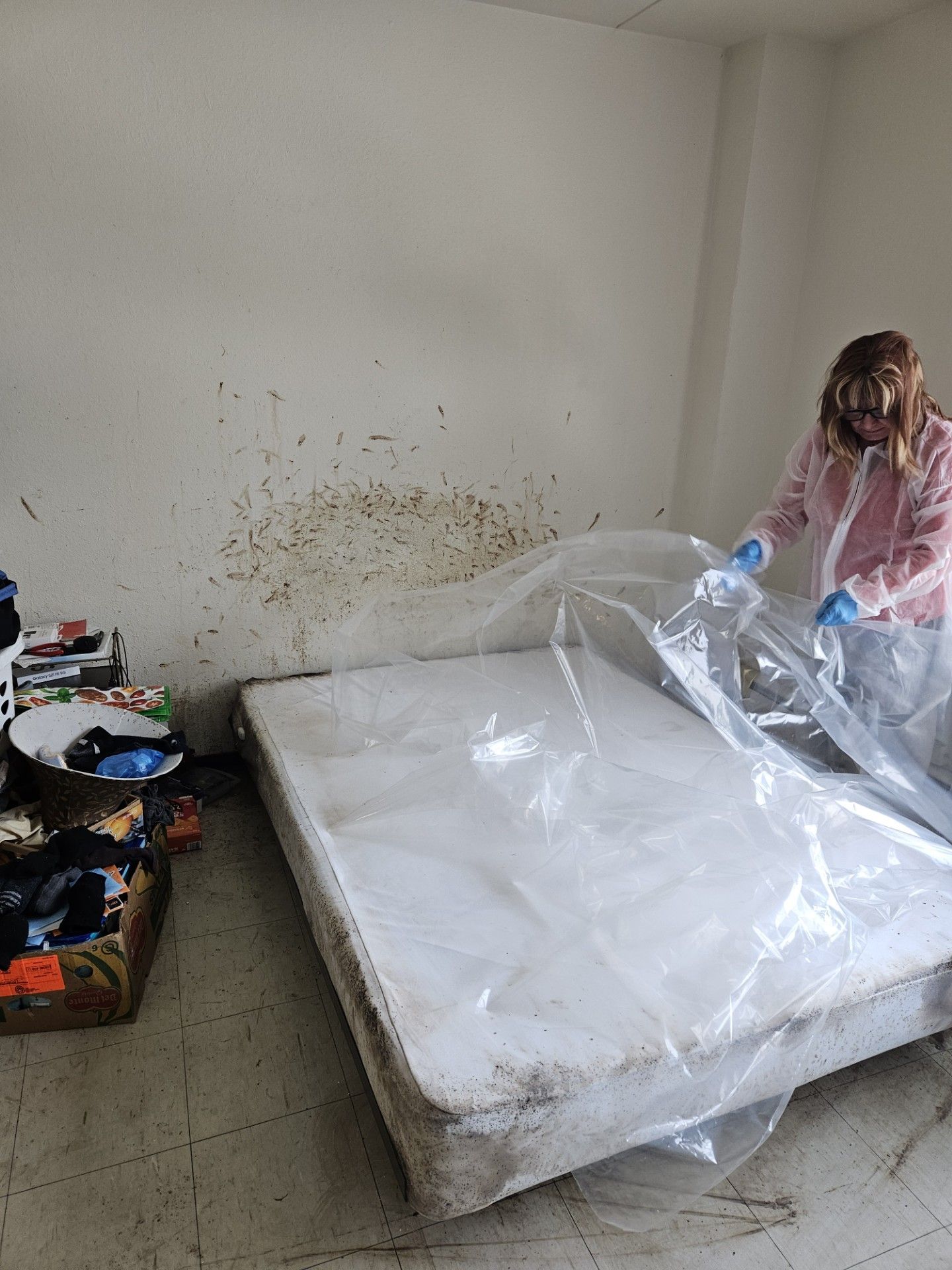
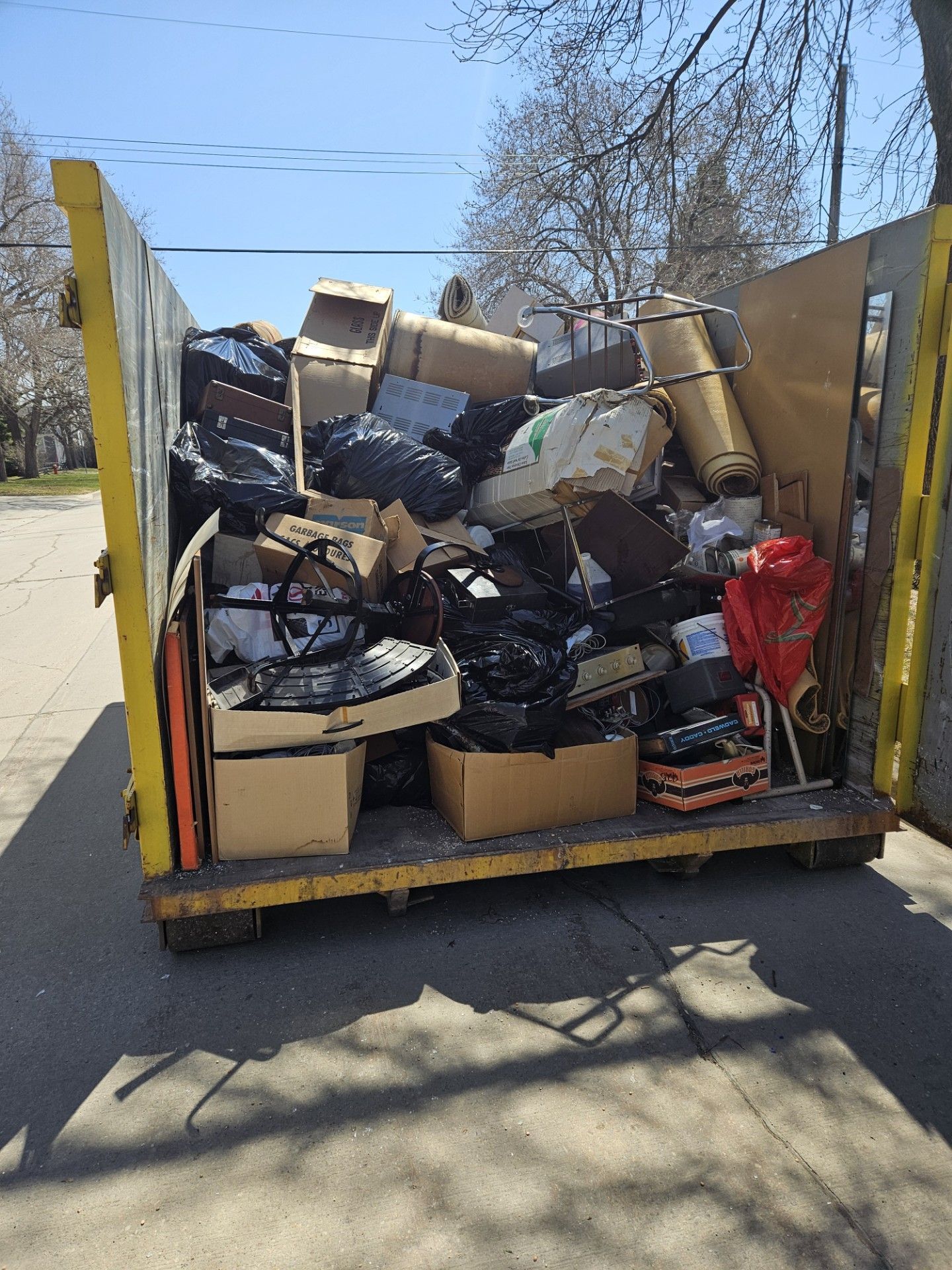
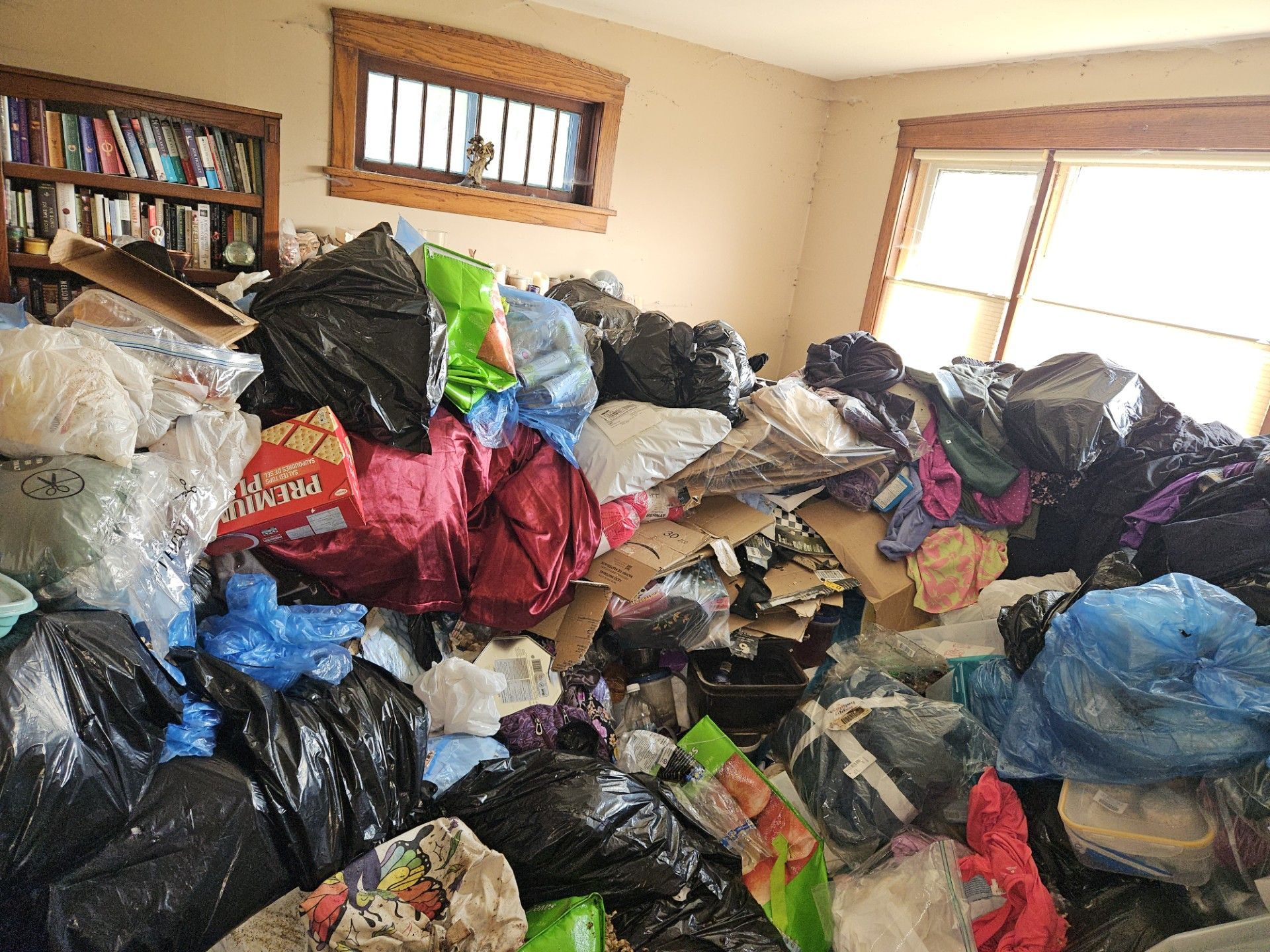
Hoarding Situations we Commonly Handle

Understanding Hoarding Disorder

What Is Hoarding Disorder?

Hoarding disorder is a distinct mental health condition characterized by a persistent difficulty parting with possessions, regardless of their actual value. People living with hoarding disorder often experience an intense emotional attachment to items and severe distress at the thought of throwing things away. Over time, this can lead to excessive clutter that impacts safety, daily living, and quality of life.

Unlike simple clutter or collecting, hoarding disorder can interfere with a person’s ability to safely use their home for everyday activities such as sleeping, cooking, bathing, or moving freely through rooms.

Common Signs & Symptoms of Hoarding Disorder

Persistent Difficulty Letting Go of Items

People with hoarding disorder often struggle to throw away, donate, recycle, or sell possessions — even when the items have little practical value.

Excessive Acquisition

Many individuals feel strong urges to acquire additional items, including free objects, discounted products, containers, flyers, or second-hand goods.

Living Spaces Become Unsafe

Over time, clutter may overwhelm the home and make rooms unusable for their intended purpose. Common examples include:

  • Sleeping in a chair or living room because the bedroom is inaccessible
  • Kitchens becoming unusable for cooking
  • Hallways and exits becoming blocked
  • Increased fire hazards, mold growth, pest infestations, and sanitation concerns

Emotional Distress

Trying to remove items can trigger intense anxiety, grief, shame, panic, or emotional overwhelm. This is one of the reasons why compassionate hoarding cleanup support is so important.

Commonly Hoarded Items

While every situation is unique, some of the most commonly hoarded items include:

  • Newspapers, magazines, junk mail, and paperwork
  • Clothing and household items
  • Plastic bags, cardboard boxes, and containers
  • Broken or unused electronics
  • Sentimental possessions
  • Food containers and packaging

In more severe situations, hoarding may also involve:

Animal Hoarding

Keeping large numbers of pets without being able to properly care for them, often creating unsafe living conditions for both animals and people.

Digital or Data Hoarding

Saving excessive amounts of emails, files, photos, or digital information to the point where it becomes overwhelming or unmanageable.

How Common Is Hoarding Disorder?

Research suggests that approximately 2% to 6% of adults are affected by hoarding disorder. The condition often begins during the teenage years, but symptoms typically become more severe over time if left untreated.

Hoarding disorder is also commonly associated with other mental health conditions, including:

  • Depression
  • Anxiety disorders
  • Obsessive Compulsive Disorder (OCD)
  • ADHD

Because of this, many people struggling with hoarding are dealing with far more than clutter alone.

Treatment & Support for Hoarding Disorder

Although there is no quick “cure,” hoarding disorder is highly manageable with the right support and treatment.

The most widely recommended treatment is Cognitive Behavioral Therapy (CBT) specifically adapted for hoarding behaviors. This type of therapy helps individuals:

  • Understand why certain items feel emotionally important
  • Challenge beliefs about needing to save possessions
  • Build organizational and decision-making skills
  • Practice gradually letting go of items without overwhelming distress

Professional support, family understanding, and trauma-informed cleanup services can all play an important role in helping someone regain a safer, healthier living environment.

Compassion Matters

People living with hoarding disorder are not lazy or simply “messy.” Hoarding is a complex mental health condition that often involves trauma, anxiety, grief, depression, or emotional attachment.

Approaching the situation with compassion, patience, and dignity can make a major difference in the recovery process.

Hoarding Sites We've Serviced

We work in partnership with trusted local professional Jere Tetrault owner of Smart Cleaners to ensure every project is handled with care, efficiency and expertise.


Jere provides on-site assessments, detailed quotes and oversees project execution to deliver a smooth and professional experience from start to finish.


CALL NOW

Compassion you can count on.


Meet Harriet, the heart and namesake of Harriet Hoarding. At 84 years young, Harriet has spent a lifetime turning her passion for order into a legacy of helping others reclaim their spaces.


From the time she was a teenager, Harriet had a natural gift for organization and deep cleaning. As the oldest of seven children, she was always the one responsible for keeping the household running smoothly. Whether it was decluttering cupboards, tackling messy closets, or restoring calm to a busy kitchen, she instinctively knew how to bring structure back to any space.


Over time, Harriet’s skills became known beyond her own family. Neighbors and friends would call on her whenever a garage needed clearing, a basement needed sorting, or a home simply needed a fresh start. What began as a natural calling turned into a reputation and eventually, a thriving family business.


In 1983, Harriet officially founded what is now known as Harriet Hoarding, a family-owned and operated company built on her values of care, respect, and excellence.


For over four decades, she and her team have specialized in clutter removal, deep cleaning, and organizational services that don’t just tidy a home, they transform it.


Today, Harriet still inspires everything we do. Her vision continues through a hand-picked team of experienced professionals who share her love for the work. Each member of the Harriet's Hoarding team is personally selected, highly trained, and brings over 20 years of combined experience in the industry. We aren’t just cleaners, we’re partners in helping you reset your space and reclaim peace of mind.


What sets us apart is more than just expertise. For us, this work is deeply rewarding. Every clean wall, cleared space, every basement organized, every bathroom reset is a step toward giving someone back control of their environment and often, a sense of calm they didn’t know they were missing.


We take great pride in approaching every job with compassion, professionalism, and the same dedication Harriet herself built her name on.


When you choose Harriet Hoarding, you’re not just hiring a cleaning service. You’re inviting in a team that truly cares, a team that knows how overwhelming clutter can feel and how life-changing it is to see that clutter disappear. With decades of experience, a strong family foundation and a genuine passion for helping others, we’re here to make sure the job gets done right.


Because at the end of the day, Harriet always believed: a clean, organized space is the first step to a calmer, happier life.

Contact Us!

Summarized Article's for easy scanning to get quick information on Hoarding

Hoarding Disorder: Quick Overview

What Is Hoarding Disorder?

Hoarding disorder is a mental health condition that causes persistent difficulty throwing away or parting with possessions. People with hoarding disorder often believe they need to save items, regardless of their actual value, and may feel intense emotional distress at the thought of getting rid of them.

Over time, belongings can accumulate to the point where living spaces become overcrowded, unsafe, and difficult to use properly.

How Hoarding Affects the Home

In many cases, clutter gradually spreads throughout the home and creates extremely cramped living conditions. Narrow pathways may form between piles of belongings, and important areas of the home may become unusable.

Examples include:

  • Kitchens becoming impossible to cook in
  • Beds becoming inaccessible for sleeping
  • Stairways and hallways becoming blocked
  • Clutter spreading into garages, vehicles, yards, and storage units

The severity of hoarding disorder can range from mild clutter to dangerous living environments that impact health and safety.

Common Symptoms of Hoarding Disorder

Difficulty Throwing Things Away

People with hoarding disorder experience ongoing struggles discarding items, even when those items no longer serve a purpose.

Excessive Saving & Acquiring

Many individuals continue collecting or acquiring possessions they do not currently need and may not have room for.

Emotional Attachment to Items

Items are often saved because they:

  • Feel emotionally meaningful
  • Represent memories, people, or pets
  • Create feelings of comfort or safety
  • Might be “useful someday”
  • Feel wasteful to throw away

Disorganization & Overwhelm

As clutter increases, it often becomes difficult to organize belongings, make decisions, or find important items hidden within the clutter.

Avoidance & Isolation

Many people living with hoarding disorder avoid inviting others into their homes due to embarrassment or fear of judgment. This can lead to social isolation, strained relationships, and difficulty maintaining employment.

What Hoarding Can Look Like

Common signs inside the home may include:

  • Large piles of newspapers, clothing, paperwork, or household items
  • Rooms no longer usable for their intended purpose
  • Food waste or garbage buildup
  • Unsanitary conditions
  • Blocked exits or walking paths
  • Safety hazards involving fire risks, mold, pests, or falling debris

In severe cases, clutter can create major health and safety concerns for both the individual and others living in the home.

Hoarding vs. Collecting

Hoarding disorder is different from collecting.

Collectors usually organize, display, and care for specific collections such as stamps, sports cards, or model cars. Collections generally do not interfere with daily living or create unsafe conditions.

With hoarding disorder, clutter becomes excessive, disorganized, emotionally distressing, and disruptive to daily functioning.

Animal Hoarding

Some individuals may hoard large numbers of animals. In these situations, pets often cannot receive proper food, veterinary care, or sanitation.

Animal hoarding can create serious risks for:

  • Human health
  • Animal welfare
  • Indoor air quality
  • Structural safety of the home

These situations often require specialized cleanup and intervention services.

When Hoarding Usually Begins

Research shows that hoarding behaviors often begin between the ages of 15 and 19, although symptoms may remain hidden for years.

The condition typically becomes more severe with age, especially if left untreated.

Possible Causes & Risk Factors

Researchers are still studying the exact causes of hoarding disorder, but several factors may contribute, including:

Family History

Hoarding disorder often appears within families, suggesting possible genetic links.

Personality & Brain Function

Many individuals struggle with:

  • Decision-making
  • Organization
  • Attention and focus
  • Problem-solving

Stressful Life Events

Major emotional events may trigger or worsen hoarding behaviors, including:

  • Divorce
  • Death of a loved one
  • Trauma
  • Financial hardship
  • House fires or major loss

Complications of Hoarding Disorder

Without support or treatment, hoarding disorder can lead to serious complications, including:

  • Increased fall risks
  • Fire hazards
  • Mold, pests, and sanitation concerns
  • Injury from collapsing clutter
  • Eviction or legal issues
  • Family conflict
  • Social isolation
  • Anxiety and depression

Mental Health Conditions Linked to Hoarding

Hoarding disorder commonly occurs alongside other mental health conditions, including:

  • Depression
  • Anxiety disorders
  • Obsessive-Compulsive Disorder (OCD)
  • Attention-Deficit/Hyperactivity Disorder (ADHD)

Because of this, treatment often works best when emotional and mental health support are included alongside cleanup efforts.

Treatment & Support

Although there is no instant cure for hoarding disorder, treatment can significantly improve quality of life.

The most effective treatment is typically Cognitive Behavioral Therapy (CBT) adapted specifically for hoarding behaviors. Treatment may help individuals:

  • Understand emotional attachment to possessions
  • Improve organization and decision-making skills
  • Reduce anxiety related to discarding items
  • Gradually create safer living spaces

Early intervention is important because hoarding behaviors often become more difficult to manage over time.

A Compassionate Approach Matters

People living with hoarding disorder are often coping with deep emotional distress, trauma, grief, or anxiety. Judgment and forced cleanouts can increase shame and resistance.

A compassionate, trauma-informed approach focused on dignity, safety, and emotional support is often the most effective path forward.

There comes a point in some homes where clutter stops being “a little overwhelming” and starts becoming genuinely dangerous. At Harriet’s Hoarding, we talk to families across Winnipeg who are unsure if what they are dealing with is simply disorganization or if the situation has crossed into a serious health and safety issue. The reality is that unsafe living conditions can happen gradually over months or years, making it difficult for the person living in the home to recognize how severe things have become.

A home environment can become unsafe for many different reasons including hoarding disorder, depression, trauma, grief, chronic illness, mobility issues, mental health struggles, aging, addiction, or sudden life changes. In many cases, the clutter itself is only one part of the problem. Hidden underneath are issues like mold growth, fire hazards, structural damage, rodent infestations, blocked exits, biohazards, and air quality concerns.

Our goal with this page is to help people understand the warning signs of an unsafe home and explain what steps can be taken before the situation becomes even more serious.

What Makes a Home Unsafe?

An unsafe home environment is any living space that poses a risk to someone’s physical health, mental health, or safety. Sometimes the danger is obvious. Other times it develops slowly over time until daily activities like cooking, bathing, sleeping, or even walking through the home become difficult.

One of the biggest misconceptions people have is assuming unsafe homes only happen in “extreme hoarding” situations. That is not true at all. We’ve seen homes in Winnipeg where the clutter level looked manageable on the surface, but hidden underneath were severe sanitation problems, rotting food, contaminated surfaces, and dangerous fire risks.

According to the National Fire Protection Association, hoarding conditions significantly increase the risk of residential fires because exits become blocked and combustible materials build up inside the home. In severe cases, first responders may not even be able to safely enter the property during an emergency.

Another major concern is indoor air quality. Dust accumulation, mold spores, animal waste, mildew, bacteria, and decomposing materials can create serious respiratory hazards. This becomes especially dangerous for seniors, children, or individuals with asthma or compromised immune systems.

When a home reaches this point, professional hoarding cleanup services in Winnipeg may be necessary to restore the property safely.

Common Signs a Home Environment Has Become Unsafe

One of the clearest signs is when rooms are no longer functional for their intended purpose. Kitchens become unusable for cooking. Bathrooms become inaccessible. Bedrooms are no longer safe for sleeping. Hallways and exits become blocked with clutter.

Another major warning sign is odor. Persistent smells coming from garbage buildup, mold, pet waste, spoiled food, smoke damage, or sewage issues often indicate deeper contamination problems within the property.

Pest infestations are also extremely common in unsafe homes. Rodents, cockroaches, flies, and bed bugs thrive in environments where food waste and clutter are present. Once infestations begin, they can spread rapidly through walls, insulation, and furniture.

We also see many homes where structural safety becomes compromised. Excessive weight from accumulated belongings can weaken floors, damage staircases, or create collapse risks. Water damage hidden beneath piles can quietly rot flooring and drywall for years before anyone notices.

For many families, the turning point comes when someone falls, gets injured, receives a warning from property management, or Child and Family Services becomes involved due to unsafe conditions.

The Mental Health Side of Unsafe Living Conditions

One thing we always try to explain is that unsafe homes are not caused by laziness. In many cases, there are deep emotional or psychological factors involved.

Research from the American Psychiatric Association shows that hoarding disorder affects millions of people and is commonly linked with anxiety, depression, PTSD, ADHD, trauma, grief, and obsessive-compulsive tendencies. Many individuals feel emotionally attached to items or become overwhelmed by decision-making and cleanup processes.

Depression can also make even simple daily tasks feel impossible. Dishes pile up. Garbage accumulates. Laundry becomes overwhelming. Over time, the environment gradually spirals out of control.

This is why compassionate, judgment-free cleanup matters so much. At Harriet’s Hoarding, we approach every situation with empathy because we understand people are often struggling emotionally long before the home reaches a crisis point.

What To Do First When a Home Becomes Unsafe

The first step is recognizing the problem without shame. Unsafe living conditions happen more often than people realize, and many families in Winnipeg quietly struggle with these situations behind closed doors.

If the home has become dangerous, start by focusing on immediate safety concerns first. Make sure exits are accessible. Remove obvious fire hazards near stoves, heaters, or electrical panels. Address spoiled food or standing water if possible.

If biohazards are present, it is important not to handle them improperly. Human waste, animal feces, needles, mold, decomposing materials, and bodily fluids can expose people to harmful bacteria and airborne contaminants. Professional biohazard hoarding cleanup in Winnipeg may be necessary in these situations.

For elderly individuals or people with mobility challenges, fall hazards should be addressed immediately. Statistics from the Public Health Agency of Canada show that falls are one of the leading causes of injury-related hospitalizations among seniors. Cluttered pathways dramatically increase those risks.

Many families try handling severe cleanups alone and quickly become overwhelmed emotionally and physically. There is no shame in calling for help.

Why Professional Hoarding Cleanup Matters

Professional cleanup services are not just about removing clutter. A proper hoarding cleanup company in Winnipeg understands sanitation protocols, emotional sensitivity, sorting processes, disposal regulations, and property restoration techniques.

At Harriet’s Hoarding, we often help families with:

  • Severe clutter removal
  • Garbage and debris disposal
  • Deep cleaning and sanitation
  • Odor removal
  • Mold remediation coordination
  • Biohazard cleanup
  • Rodent contamination cleanup
  • Estate cleanouts
  • Foreclosure cleanup
  • Preparing homes for sale
  • Compassionate item sorting

One thing people underestimate is how emotionally exhausting cleanup can be. Decisions about belongings often trigger guilt, grief, anxiety, or emotional shutdowns. Having supportive professionals involved can make the process feel far less overwhelming.

Unsafe Homes and Family Relationships

Unsafe home environments can create enormous tension between family members. Adult children may worry about aging parents. Siblings may disagree about what to do. Landlords may become frustrated with tenants. Relationships often become strained because everyone is emotionally exhausted.

In some cases, people isolate themselves entirely because they feel embarrassed about the condition of the home. This isolation can worsen depression and allow conditions to deteriorate even further.

We encourage families to approach these situations carefully and compassionately. Shaming someone rarely improves the problem. In fact, it often causes more resistance and emotional withdrawal.

The goal should always be restoring safety while preserving dignity.

Restoring a Safe, Livable Environment

The good news is that even extremely overwhelmed homes can often be restored step by step. We’ve seen homes that initially felt impossible become functional, clean, and peaceful again.

The process usually starts with creating safe walkways and removing immediate hazards. From there, sorting, organizing, sanitizing, and restoring the space becomes much more manageable.

Many people also feel emotional relief once progress begins. A cleaner environment often improves stress levels, sleep quality, focus, and mental clarity. Research has shown that cluttered environments can increase cortisol levels and contribute to feelings of anxiety and overwhelm.

A safe home is not about perfection. It is about creating an environment where people can live comfortably, move safely, and regain peace of mind.

Compassionate Hoarding Cleanup Services in Winnipeg

At Harriet’s Hoarding, we understand how difficult it can be when a home environment becomes unsafe. Whether the situation involves mental health hoarding, severe clutter, biohazards, trauma, aging, or inherited property cleanup, our goal is to help families through the process with compassion and professionalism.

We provide respectful hoarding cleanup services in Winnipeg designed to restore homes safely while treating every client with dignity and understanding.

If you or someone you love is struggling with unsafe living conditions, know that help is available and things can improve one step at a time.

Harriet’s Hoarding

Compassionate Hoarding Cleanup Services in Winnipeg

When clutter takes over, it can feel impossible to know where to start. At Harriet’s Hoarding, we specialize in hoarding cleanup that combines professional skill with compassion and respect. Our discreet and caring team understands that behind every pile is a person  and we’re here to help without judgment.

Why Choose Harriet’s Hoarding?

Located right in Tuxedo, Winnipeg, MB, we’ve built our reputation on serving the local community with empathy and excellence. We work closely with clients and families to restore safe, livable spaces while preserving important items and memories. Whether it’s a lifetime of collected possessions, a property sale, or a fresh start, our hoarding cleaners are here to guide you every step of the way.

Compassionate Clean Up With Care

We know that cleaning for hoarders is not just about removing clutter – it’s about restoring dignity and creating peace of mind. Our trained Tuxedo hoarder specialists approach each home with sensitivity. We take the time to listen, understand, and create a plan that works for you.

We offer a free no obligation estimate, ensuring you know exactly what to expect before we begin. Our team is fully insured and experienced in handling everything from mild clutter to severe hoarding situations.

Comprehensive Hoarding Cleaning Services

Our hoarding cleaning services cover every aspect of restoring your home:

  • Hoarder Clean Up & Clean Out – We safely remove clutter, trash, and unwanted items while sorting valuables and keepsakes.
  • Deep Cleaning & Sanitization – After items are removed, we perform thorough cleaning to restore safety and hygiene.
  • Move Out Cleaning Winnipeg – If you’re preparing a hoarder house for sale or rental, we offer complete move out cleaning services in Winnipeg, tailored to even the toughest situations.
  • Discreet & Respectful Service – We know privacy is important. Our unmarked vehicles and trained staff work quietly and professionally.

No matter the situation, our hoarding clean up services are designed to make your home safe and livable again. Searching for “hoarder clean up service near me” or “hoarding cleaning services near me”? Harriet’s Hoarding is your local, trusted choice.

Who We Help

Hoarding can affect anyone. Our clients include seniors, busy professionals, families dealing with inherited hoarder houses, and individuals simply needing a fresh start. We’ve helped clients in Tuxedo, River Heights, and across Winnipeg restore their homes and lives.

Our hoarder cleaning services are ideal for:

  • Individuals struggling to manage clutter
  • Families assisting loved ones with hoarding behavior
  • Executors preparing estates for sale
  • Landlords managing neglected properties
  • Those moving out and in need of a deep move out cleaning Winnipeg service

Why Choose Us?

What Makes Us Different?

We don’t just clean – we care. Our mission is to provide hoarder help with compassion. Many companies treat hoarding jobs like junk removal. At Harriet’s Hoarding, we go further:

  • We respect sentimental items and work with you to sort what stays and what goes.
  • We provide discreet hoarding clean up services near me that maintain confidentiality.
  • Our hoarding cleanup services include deep sanitization, addressing odors, pests, and safety hazards.
  • We are locally owned and operated, with a team who knows Winnipeg and the unique needs of Tuxedo hoarding clients.

Safety and Dignity First

A hoarder clean out is about more than appearances; it’s about creating a safe environment. Hoarded homes often have hidden dangers like mold, pests, and structural damage. Our trained team has the protective equipment and experience to handle these issues safely.

We also know the emotional side. Hoarding is deeply personal, and our team approaches each project with patience and empathy. Our goal is to help you move forward with hope and relief.

The Process: Hoarding Clean Up with Compassion

Here’s how we work:

  1. Free No Obligation Estimate – We meet with you to assess the property and provide a transparent quote.
  2. Customized Clean Up Plan – Every hoarding situation is unique; we tailor our approach to your needs.
  3. Sorting and Removal – We work with you to identify valuables, donate items when possible, and safely dispose of the rest.
  4. Deep Cleaning and Sanitization – We make sure your home is safe, healthy, and welcoming again.
  5. Final Walkthrough – Your satisfaction matters. We ensure everything is done to your expectations.

Move Out Cleaning Services Winnipeg

If you or your loved one is downsizing, moving into assisted living, or selling a hoarder house, our move out cleaning services Winnipeg are a perfect solution. We’ll handle everything so you can focus on what matters most.

Discreet and Confidential Hoarding Help

We understand that privacy is critical. That’s why our hoarding cleaning services near me are always handled with the utmost discretion. Your story stays yours; we’re simply here to help.

Ready to Take the First Step?

If you or someone you love needs hoarding clean up, Harriet’s Hoarding is ready to help. We proudly serve Tuxedo, Winnipeg, and the surrounding areas with compassion, care, and professionalism.

Call us today for your free no obligation estimate and take the first step toward reclaiming your home and your life. Our caring hoarding cleaners are here for you every step of the way.

Still have a question?

Call us now, submit a free estimate request or send us an email!

850+


Referrals from happy clients!

57


Emergency Cleanups handled last month

35


Years of

experience

18


Trusted Experts on our Team

OUR CLIENTS SAY


"I needed help with my elderly mother’s home. Harriet’s Hoarding came in and had the entire place organized before she returned from the hospital. They were so flexible with our schedule, and I honestly can’t recommend them enough!"

Robert Jensen

"My space got really bad over time and it just kind of crept up on me. I was nervous to reach out, but when I submitted a free quote they made me feel so much better about getting everything cleaned up. The whole process was easier than I imagined."

Jordan Mitchell

"The home I purchased needed a complete overhaul. Harriet’s team came in and cleared out years of dirt and grime from the bones of the house. They made it feel completely safe and fresh, and I finally felt comfortable moving in."

Megan Alvarez